How to choose sealing strips (silicone, EPDM) to extend their lifespan?
To select sealing strips (silicone vs. EPDM) for extended lifespan, consider the following factors and recommendations: 1. Material Properties Silicone Seals: Advantages: Superior temperature resistance (-100°C to +300°C). Excellent UV/ozone resistance and flexibility in extreme cold. Non-toxic, food-safe, and available in multiple colors. Limitations: Lower tear strength, prone to damage in dynamic applications. Higher cost compared to EPDM. EPDM Seals: Advantages: Outstanding...

Why do aluminum-wood doors combine wood and aluminum? How environmentally friendly is it?
The integration of wood and aluminum in aluminum-wood doors is driven by their complementary advantages. Wood provides natural aesthetics, warmth, and excellent sound insulation, while aluminum offers structural durability, weather resistance, and low maintenance. This combination creates a hybrid material that overcomes the limitations of pure wood or aluminum doors. For instance, aluminum frames protect against moisture, corrosion, and UV damage, while wooden interiors enhance thermal...

The cost difference between cast aluminum doors and ordinary aluminum alloy doors primarily stems from material composition, manufacturing processes, and structural properties. Material Composition and Purity: Cast aluminum doors are made from high-purity aluminum alloys, often blended with elements like silicon and magnesium to enhance strength and corrosion resistance. In contrast, ordinary aluminum alloy doors typically use extruded or rolled aluminum profiles with simpler alloy...
How can the corrosion resistance of aluminum alloy profiles be improved?
To enhance the corrosion resistance of aluminum alloy profiles, the following strategies are recommended based on surface treatment technologies, material optimization, and design considerations: 1. Surface Treatment Technologies Anodizing: Form a dense aluminum oxide (Al₂O₃) layer via electrochemical oxidation. This layer improves corrosion resistance by acting as a barrier against corrosive agents. Post-treatment steps like boiling water sealing (30–50 minutes) and ozone treatment (6+...
For aluminum doors in chemical plants exposed to strong acid/alkali vapors, a multi-layer protective coating system is essential to ensure durability and corrosion resistance. Based on industry standards and material properties, the recommended coating layers include: 1. Base Layer (Primer) Function: Enhances adhesion to the aluminum substrate and provides initial corrosion inhibition. Material: Epoxy-based or zinc-rich primers with high chemical resistance. Thickness: 20–50 μm. 2....

To mitigate wind pressure damage on aluminum doors in tornado-prone regions, fluid dynamics optimization can be implemented through the following strategies: 1. Aerodynamic Shape Design Streamlined Profiles: Curved or tapered edges reduce turbulence and lateral wind forces by minimizing air resistance. Computational fluid dynamics (CFD) simulations can identify optimal shapes to redirect wind flow around the door. Vortex Disruption: Adding small, strategically placed fins or grooves on the...
Electrolytic etching on aluminum door surfaces has the potential to replicate intricate artistic details, but achieving Mona Lisa-level precision involves significant technical challenges. Here's a structured analysis: 1. Technical Capabilities of Electrolytic Etching Micro-scale resolution: Electrolytic etching can achieve micron-level precision (10–50 μm) by adjusting current density (0.1–2 A/cm²) and electrolyte composition (e.g., NaCl or acidic solutions). This enables crisp linework and...
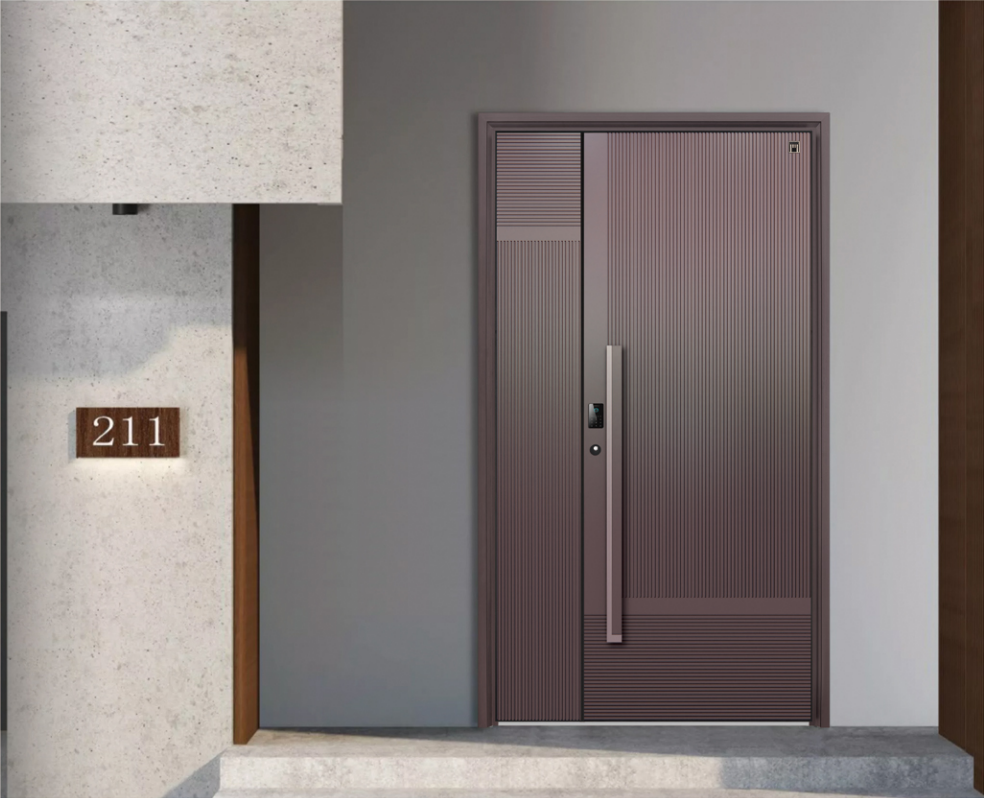
How should aluminum doors be maintained and cared for?
Maintaining and preserving aluminum doors involves a combination of routine care, preventive measures, and addressing minor issues promptly. Below are key practices to ensure longevity and optimal performance: 1. Routine Cleaning Use mild cleaning agents: Clean surfaces with a mixture of lukewarm water and mild dish soap or baby shampoo. Avoid acidic or abrasive cleaners (e.g., bleach, ammonia), as they can strip protective coatings or corrode the metal. Remove stubborn stains: For grease or...
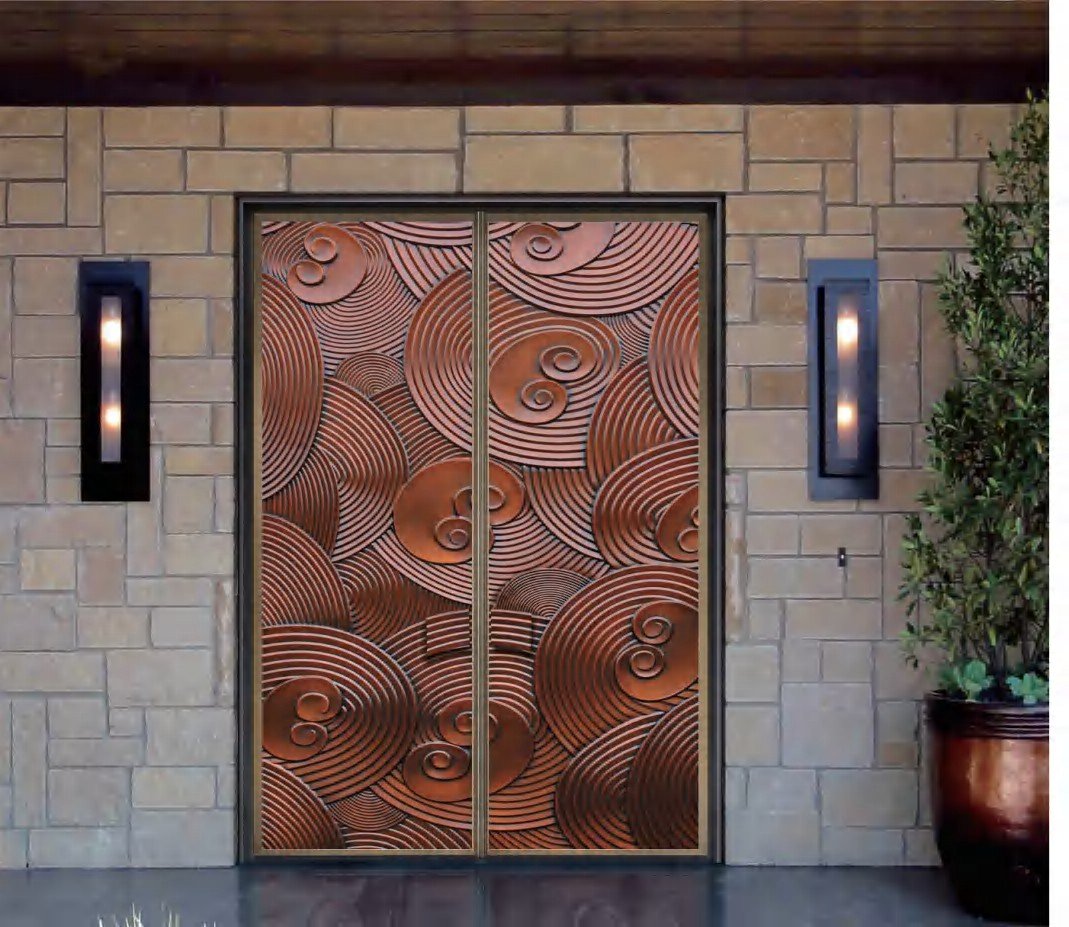
Achieving 100% aluminum molecule recovery from scrapped aluminum doors using chemical vapor deposition (CVD) is a theoretical concept with significant technical challenges, but it could be explored through a hybrid approach combining advanced metallurgy and CVD principles. Here’s a structured analysis: 1. Pre-Treatment and Aluminum Isolation Scrapped aluminum doors often contain alloys, coatings (e.g., paint), and contaminants (iron hinges, rubber seals). To prepare aluminum for...
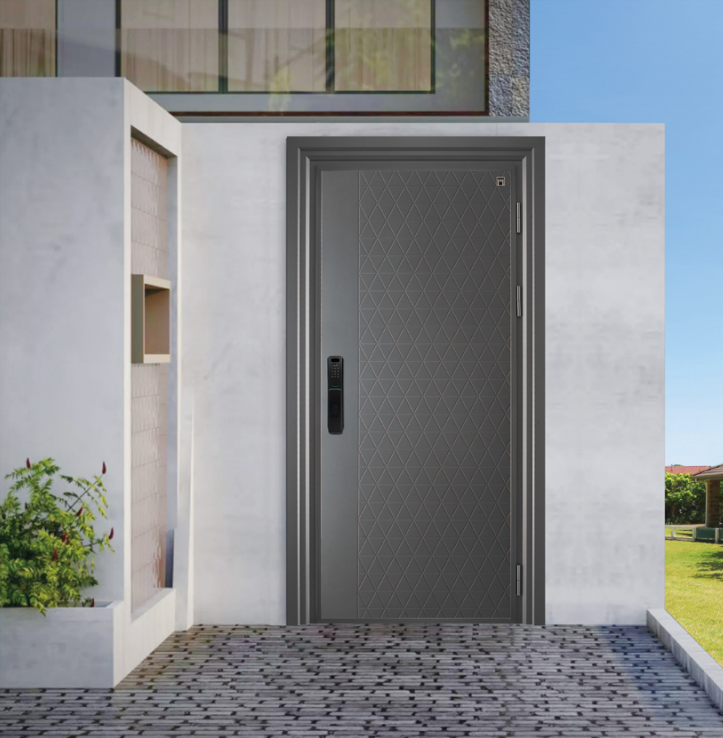
Integrating odor sensors into aluminum doors to detect early fire precursors requires a multi-modal approach that combines material science, gas detection technology, and machine learning algorithms. Unlike traditional smoke detectors that rely on particulate matter or thermal thresholds, odor sensors target volatile organic compounds (VOCs), carbon monoxide (CO), hydrogen sulfide (H₂S), and other pyrolysis byproducts released during the pre-combustion phase of fires. Key Mechanisms for Early...
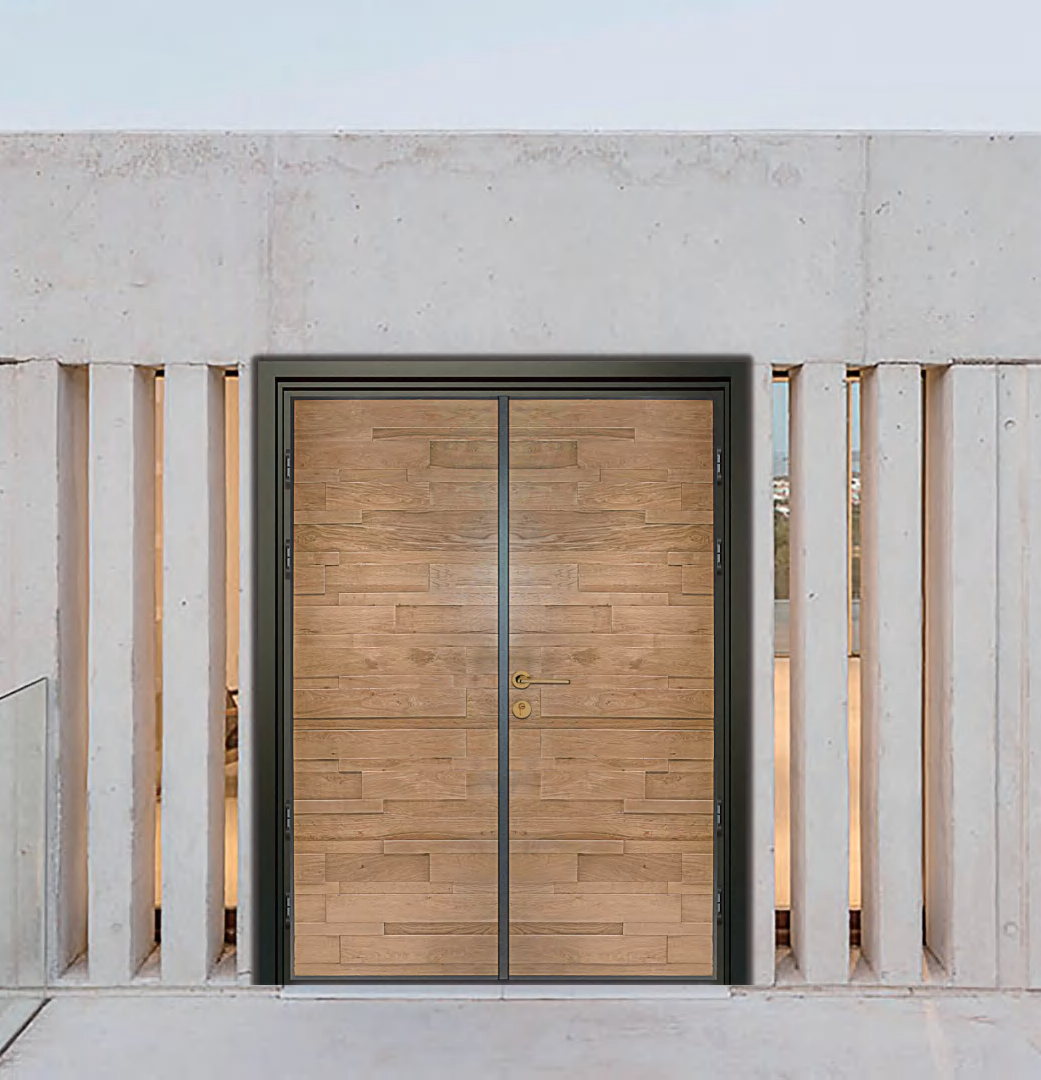
Will 4D printing technology revolutionize the production of aluminum doors?
4D printing technology, which integrates smart materials and programmable structures to enable shape, performance, or functional transformations under external stimuli (e.g., temperature, humidity, or light), holds transformative potential for aluminum door production. While not yet mainstream, its ability to merge design, manufacturing, and adaptive functionality could redefine traditional processes in the following ways: Material Innovation and Self-Adaptive Design: 4D printing relies on...
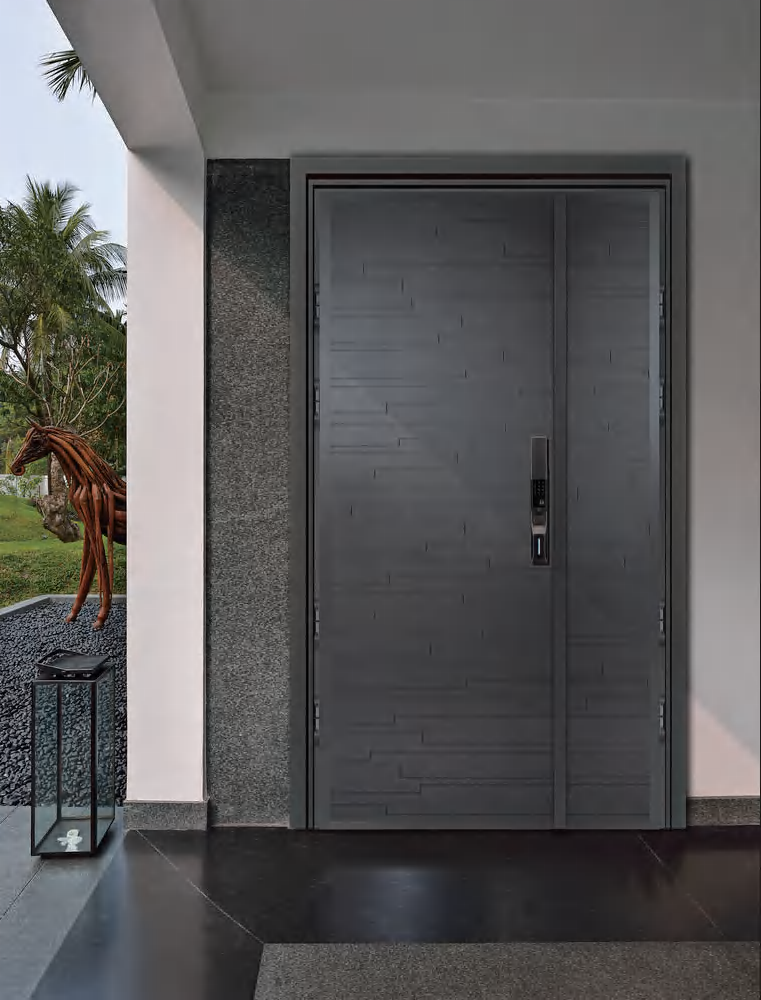
The proliferation of handleless touch-sensitive aluminum doors, which rely on capacitive sensors or gesture-based mechanisms to trigger opening, may subtly influence human muscle memory associated with traditional door-pushing actions. Muscle memory, rooted in the brain's motor cortex and cerebellum, consolidates through repetitive practice. While short-term interactions with such doors might temporarily disrupt ingrained pushing habits, long-term adaptation depends on the consistency of new...
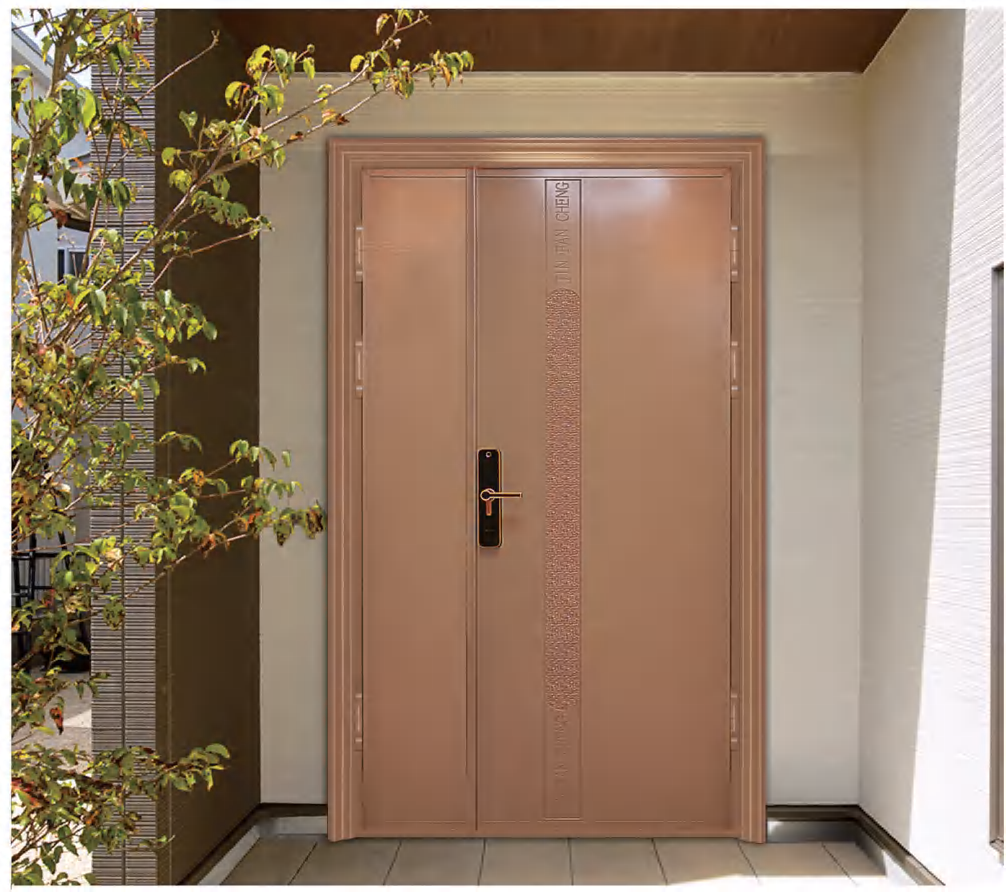
To address wind pressure damage in aluminum doors within tornado-prone regions through fluid dynamics optimization, the following strategies can be applied: 1. Aerodynamic Shape Optimization Vortex-Shedding Mitigation: Design door frames with curved or chamfered edges to reduce turbulence and disrupt wind vortex formation. Computational Fluid Dynamics (CFD) simulations (as used in tornado modeling) can identify high-pressure zones for localized reinforcement. Streamlined Profiles: Integrate...
As a "social class symbol", how to form an invisible identity through thickness/brand?
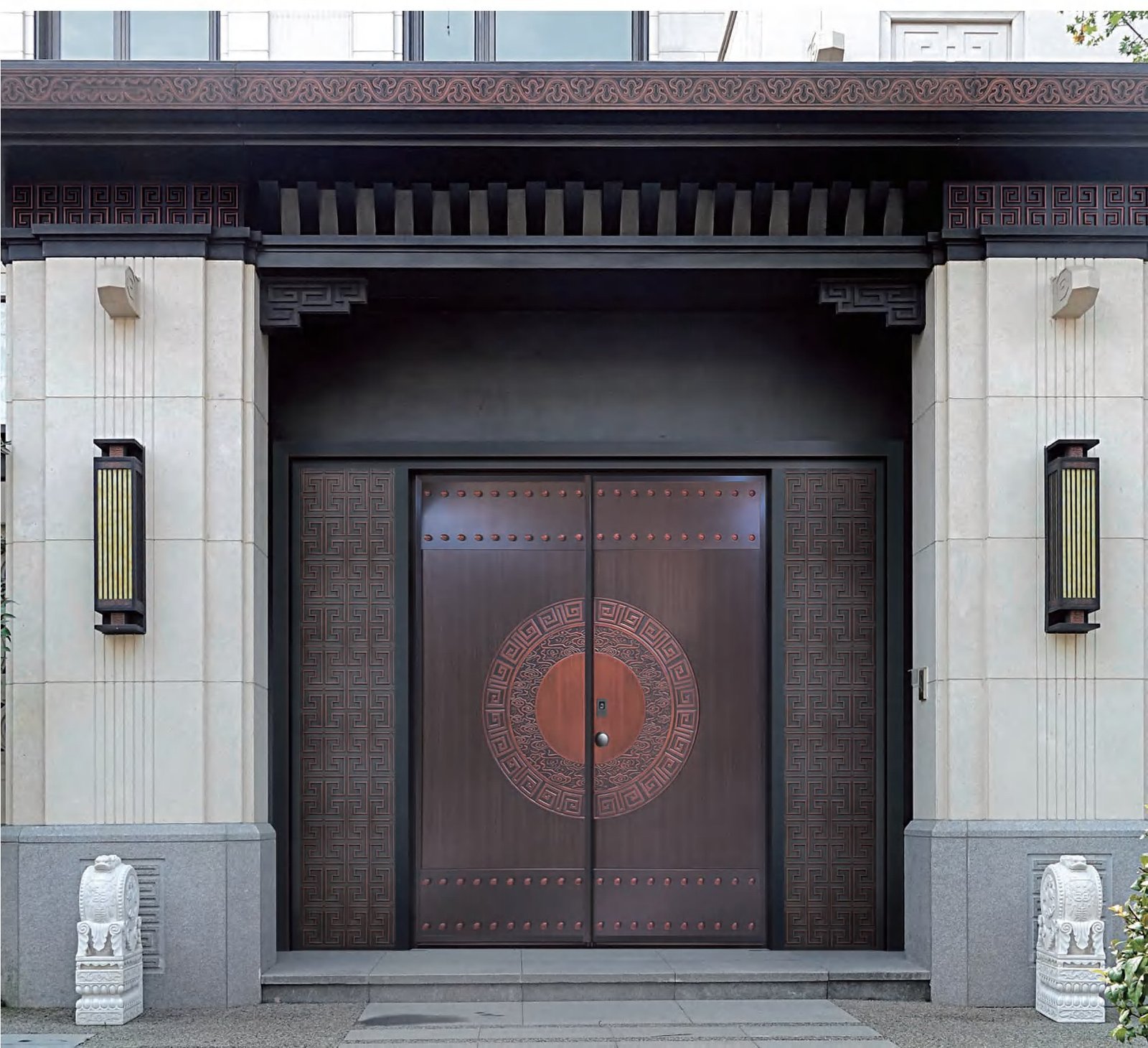
Aluminum doors have evolved into subtle yet powerful markers of social stratification through thickness specifications and brand positioning, reflecting both economic capacity and aesthetic aspirations. Here's how these elements encode social identity: 1. Thickness as a Symbol of Economic Capacity Aluminum door thickness directly correlates with perceived quality and security investment. Standardization vs. Premiumization: National standards (e.g., GB/T 5237.1-2008) mandate a minimum 1.4mm...
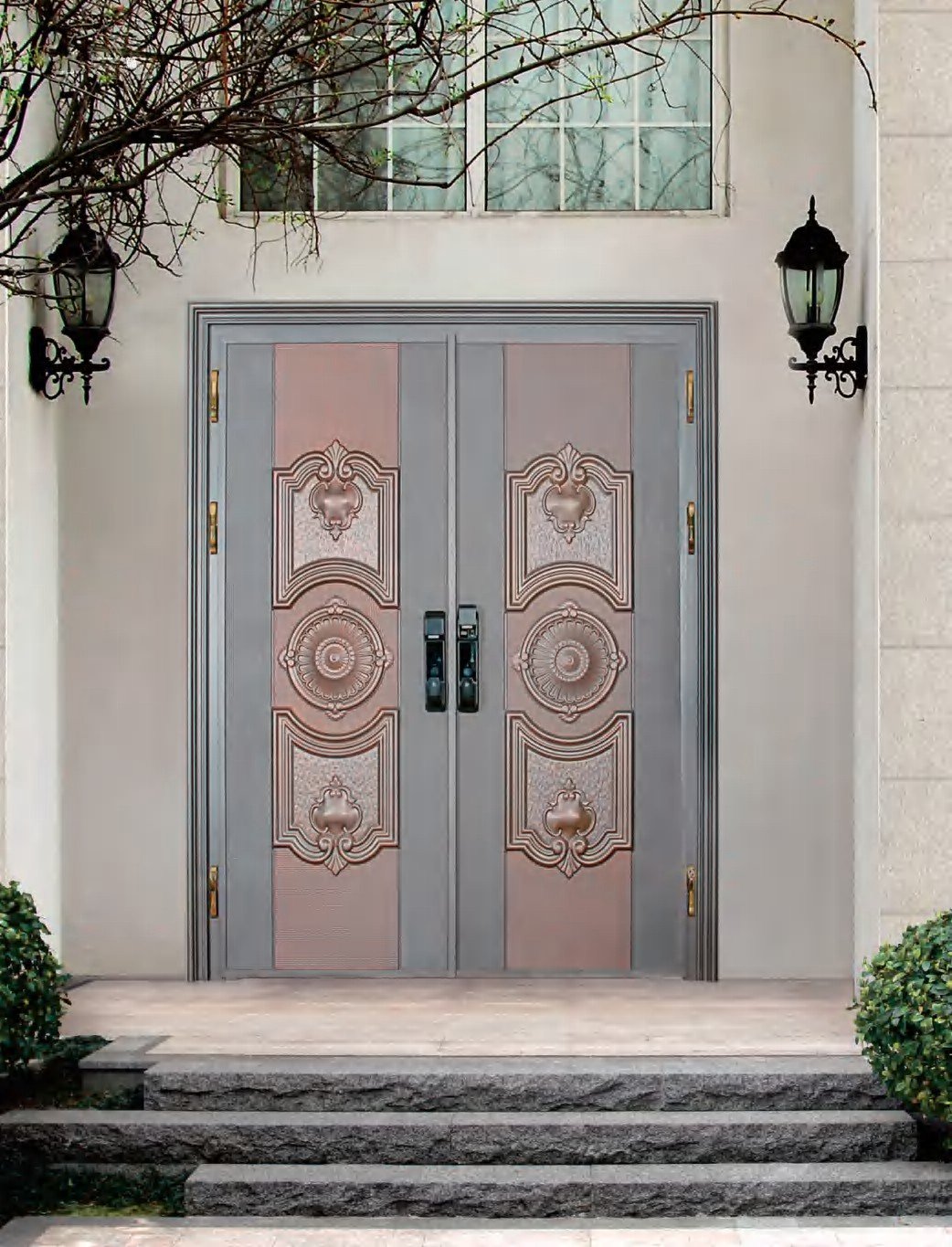
To achieve complete soundproofing against specific frequency bands in an aluminum door integrated with metamaterial structures, the design must combine tailored resonance control, multi-layered architecture, and precision engineering. Below is a systematic approach: 1. Frequency-Specific Metamaterial Design Bandgap Engineering: Design unit-cell geometries (e.g., helical coils, labyrinthine channels, or split-ring resonators) to create phononic bandgaps that block targeted frequencies. For...
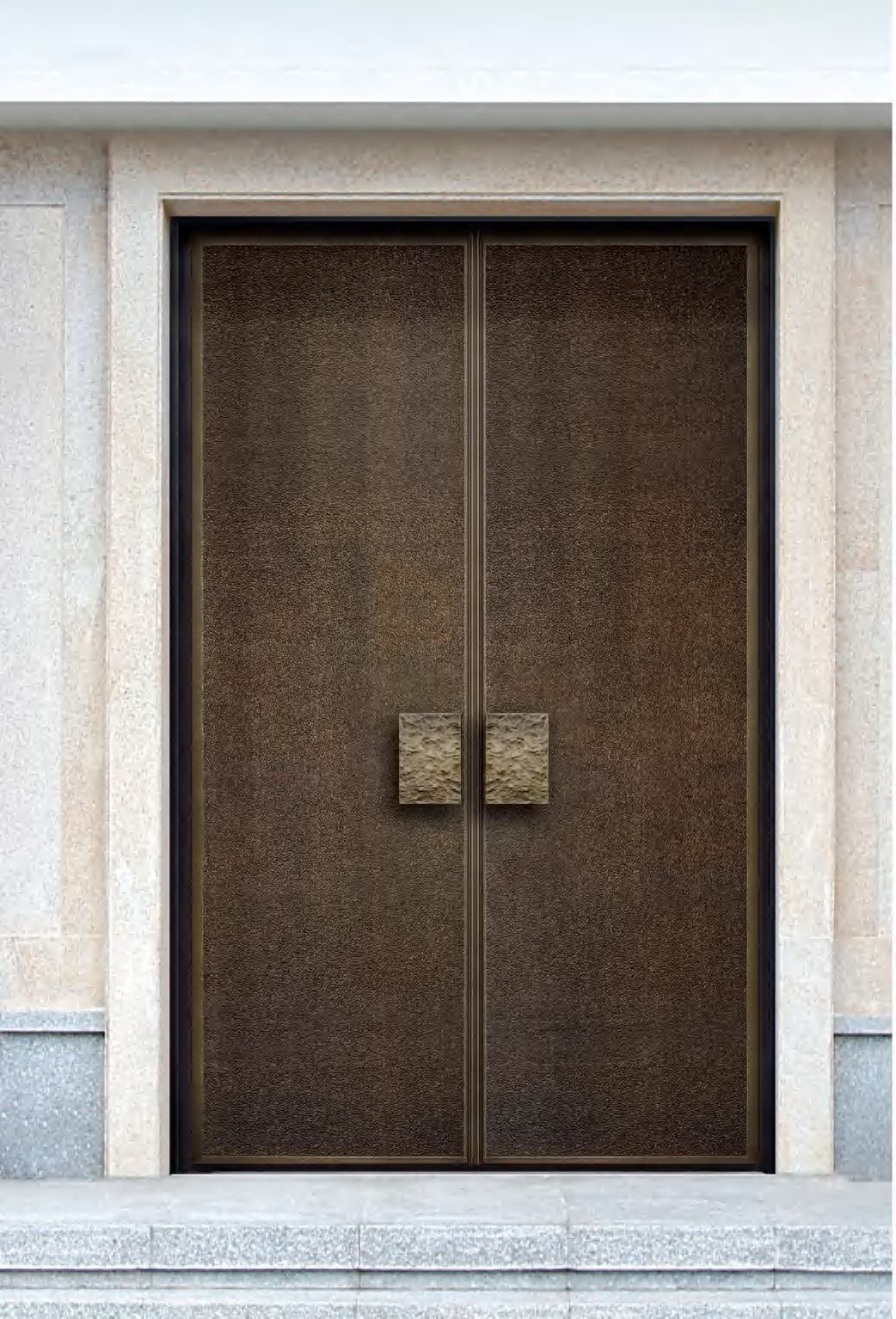
Yes, the widespread use of security-focused aluminum doors in high-crime neighborhoods can deepen psychological barriers among residents through multiple mechanisms, though the extent depends on design choices and community context. Below is a detailed analysis: 1. Symbolic Reinforcement of Fear and Distrust Security-oriented aluminum doors, with their reinforced frames and visible locking mechanisms, act as physical manifestations of fear, signaling mutual distrust within communities. In...
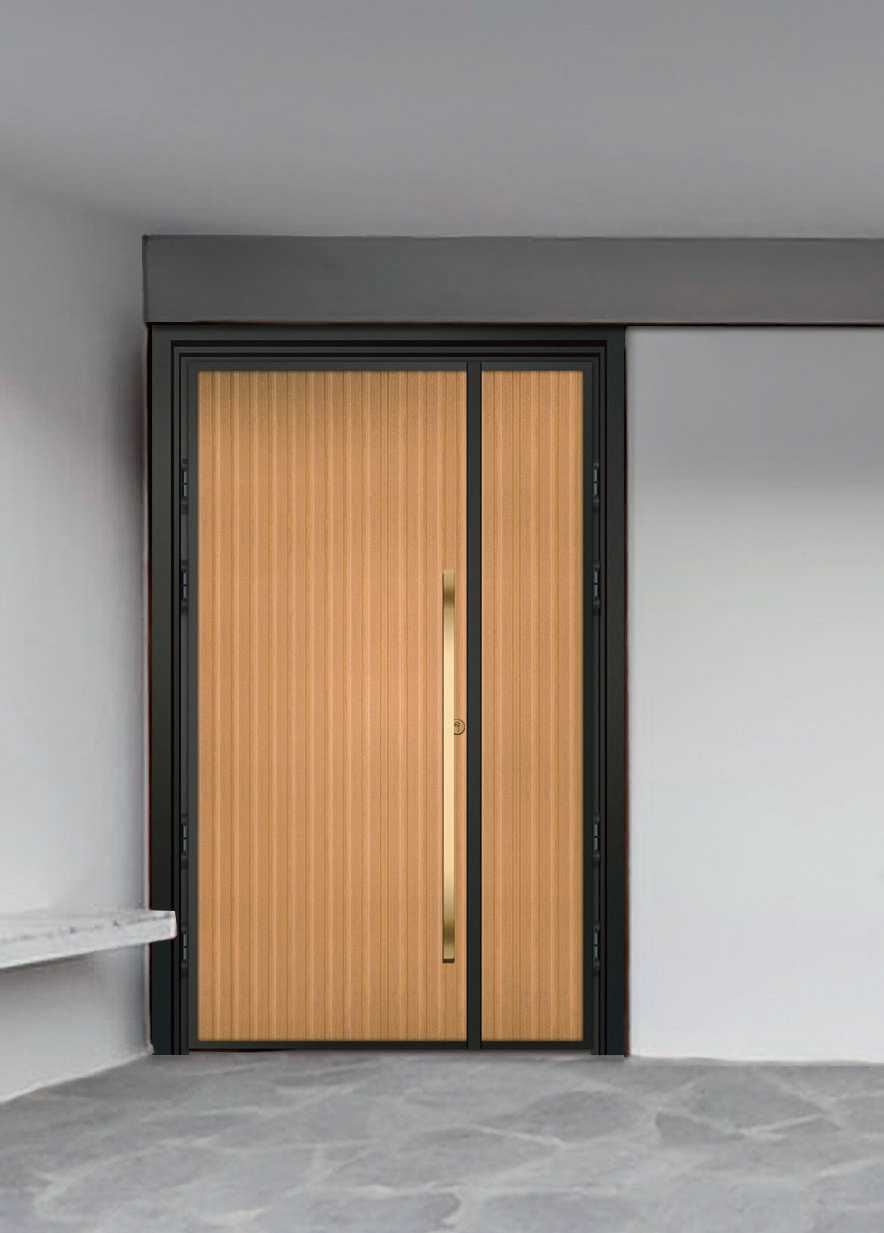
Yes, cultural preferences for door swing directions (left vs. right, inward vs. outward) significantly influence aluminum hinge design and installation practices. Here’s how cultural norms and functional requirements shape these preferences: 1. Cultural and Functional Drivers Inward vs. Outward Swing: In many Western cultures, Entrance Doors traditionally swing inward for security and weather resistance, as hinges installed internally are harder to tamper with. Conversely, in Feng Shui...
Yes, embedding graphene into aluminum profiles can simultaneously enhance both strength and thermal conductivity. Here's the technical analysis and challenges: 1. Strength Enhancement Graphene's exceptional mechanical properties (theoretical tensile strength ~130 GPa) enable significant reinforcement of aluminum matrices. Studies show graphene-aluminum composites achieve 30-80% higher tensile strength than pure aluminum. The key mechanisms include: Load transfer: Graphene's 2D structure...
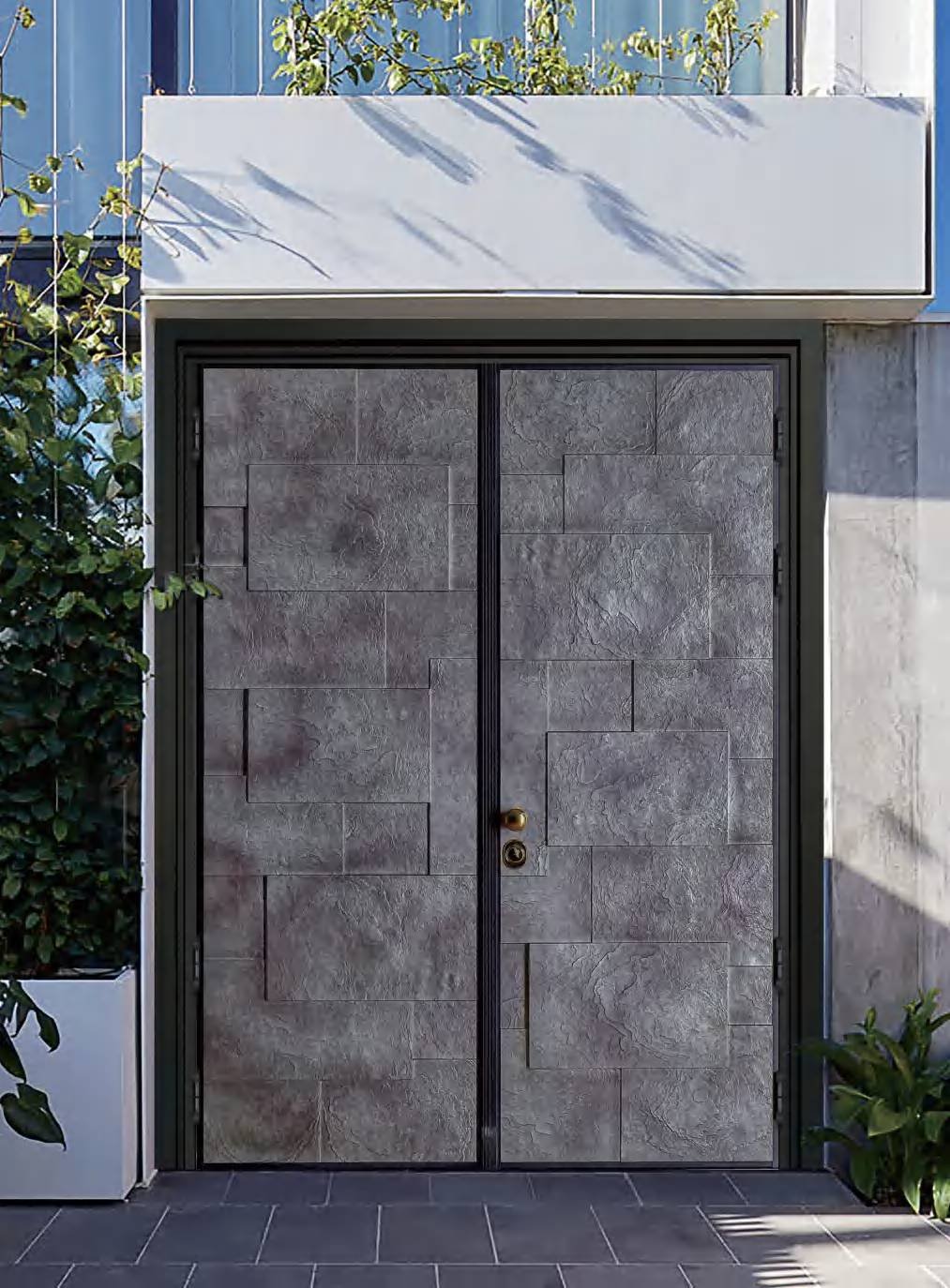
In commercial spaces, Deep Space Gray door frames tend to enhance trustworthiness more effectively than Champagne Gold, based on color psychology principles. Here’s a detailed analysis: 1. Psychological Impact of Deep Space Gray Trust & Professionalism: Gray, especially darker tones like deep space gray, is associated with neutrality, sophistication, and stability. It evokes a sense of reliability and professionalism, making it ideal for financial institutions, corporate offices, or...
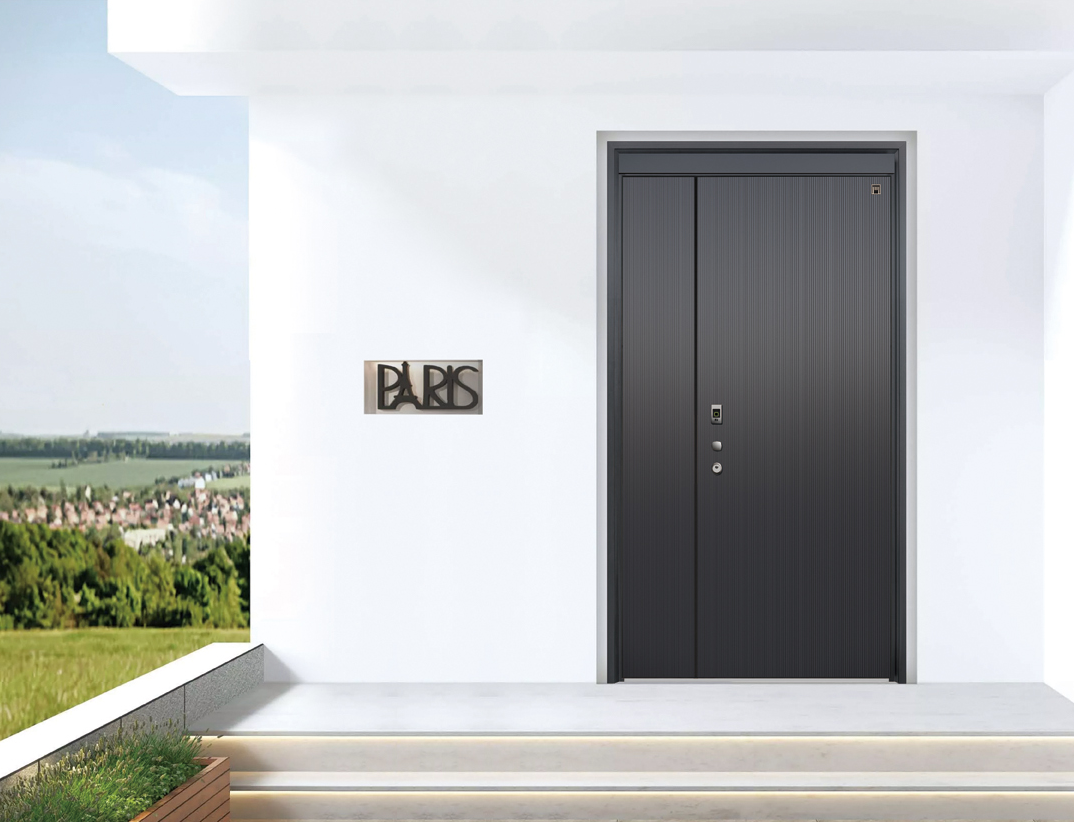
Yes, integrating brain-computer interface (BCI) sensors into aluminum doors to enable contactless operation via brainwave signals is theoretically feasible with current technology. Here’s a breakdown of its potential and challenges: Feasibility Non-Invasive BCI Technology: Modern non-invasive BCIs, such as EEG-based systems, can detect and interpret brainwave patterns associated with specific intentions (e.g., "open" or "close"). For instance, portable devices like the Focus 1 headset...
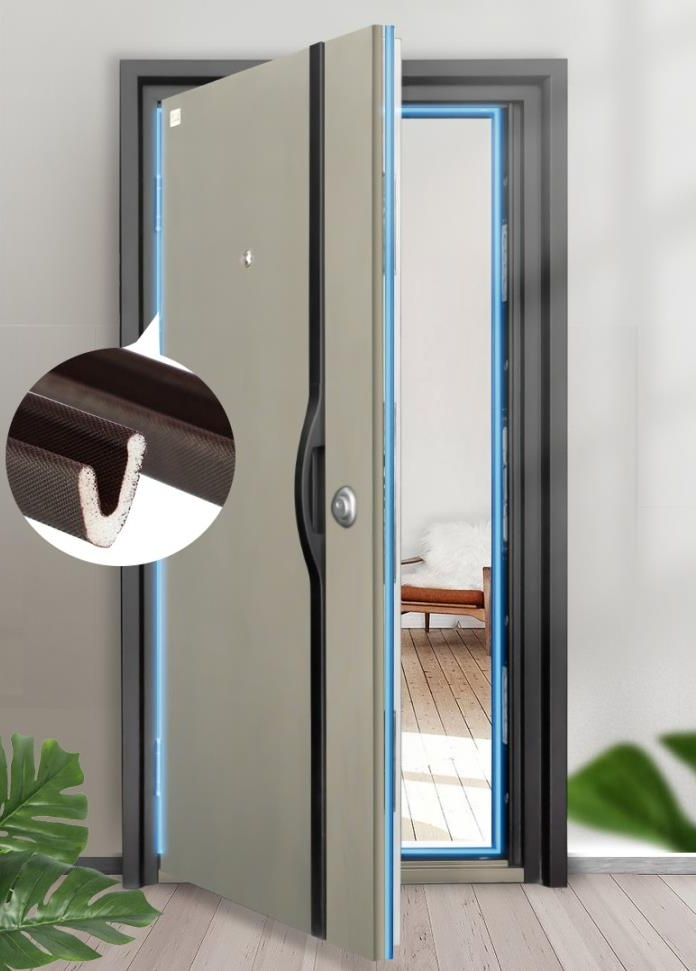
Nano-alumina coatings can significantly enhance the dust resistance and self-cleaning capabilities of aluminum door surfaces, though achieving "permanent dust-free" performance depends on coating durability and environmental conditions. The self-cleaning mechanism primarily relies on superhydrophobicity and the lotus leaf effect, where water droplets roll off the surface, carrying away dust particles. Key Principles of Self-Cleaning: Superhydrophobic Surface Creation: Nano-alumina...
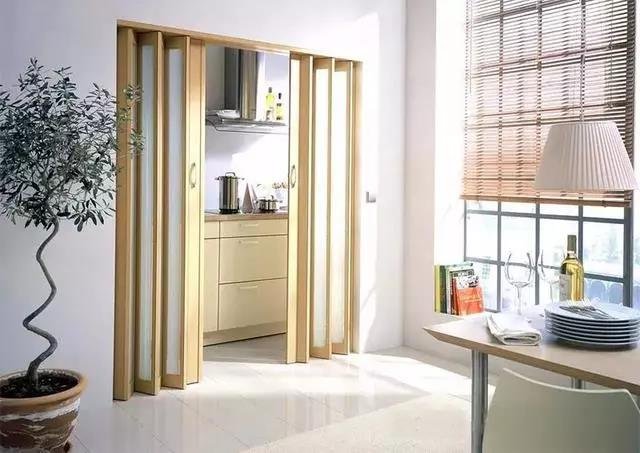
Thermal Break Aluminum Door Design: Engineering Excellence in Thermal Insulation
Thermal break aluminum doors, commonly referred to as "broken bridge" or "thermally broken" aluminum doors, are engineered to address the inherent thermal conductivity of aluminum while retaining its structural benefits. This design innovation has revolutionized energy-efficient architecture, combining durability with advanced thermal performance. Here’s an in-depth exploration of its design principles, materials, manufacturing, and applications. 1. Structural Design: Bridging the Thermal...
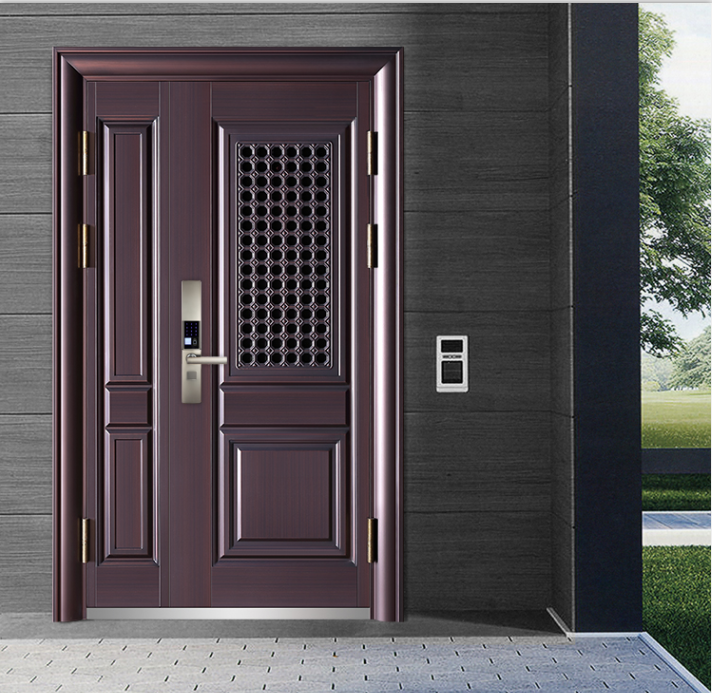
Aluminum Entry Door Design: Engineering Principles and Architectural Integration
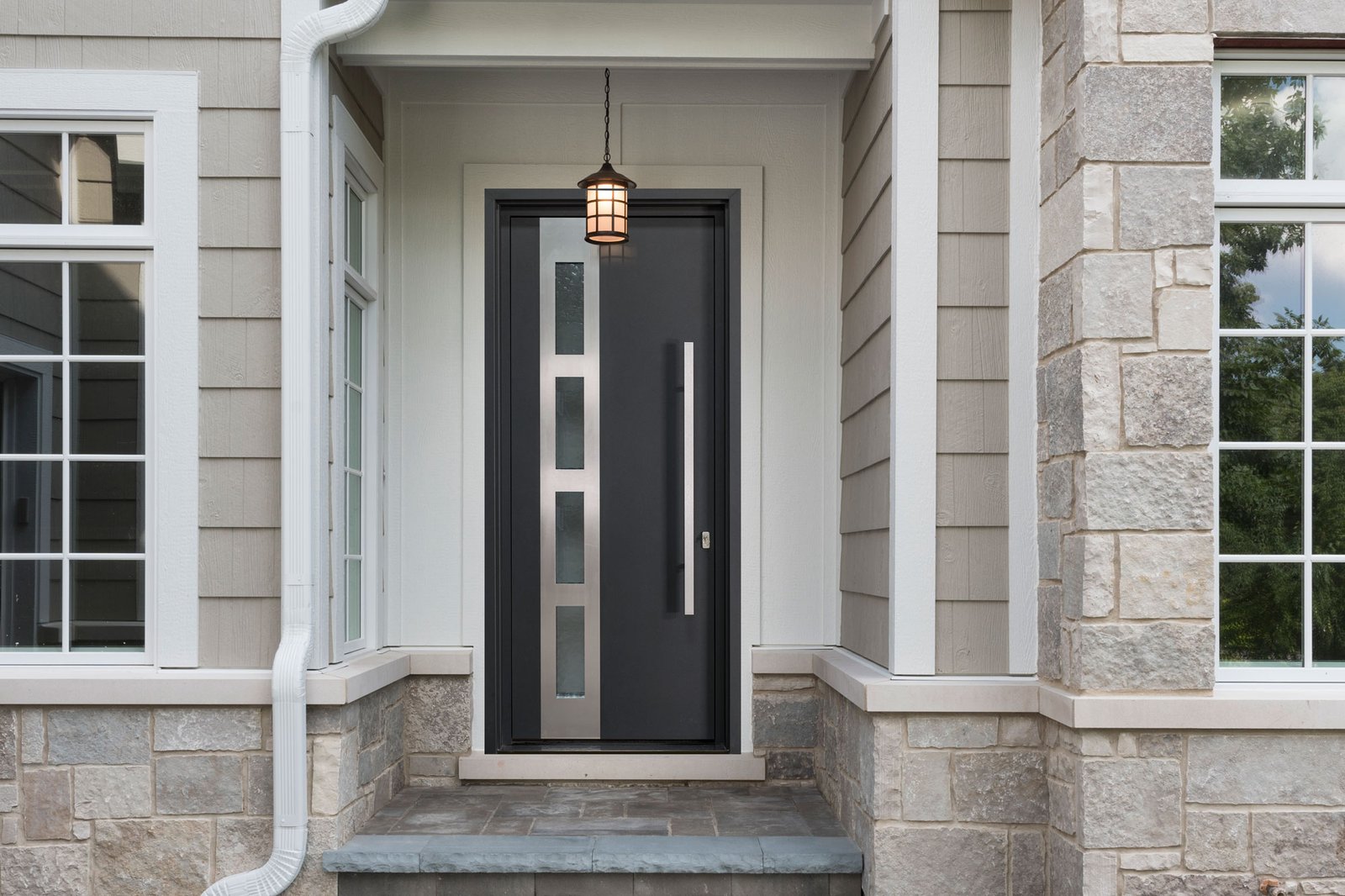
Aluminum entry doors have become a hallmark of contemporary architecture, combining structural resilience, thermal efficiency, and design adaptability. This article explores the technical and aesthetic considerations in aluminum entry door design, supported by industry standards, material innovations, and performance benchmarks. 1. Material Selection and Structural Engineering Aluminum Alloys: High-grade alloys like 6063-T6 (BS EN 755-9) are preferred for their tensile strength (≥160 MPa) and...

Aluminum Entrance Doors: Engineering Excellence and Performance Standards
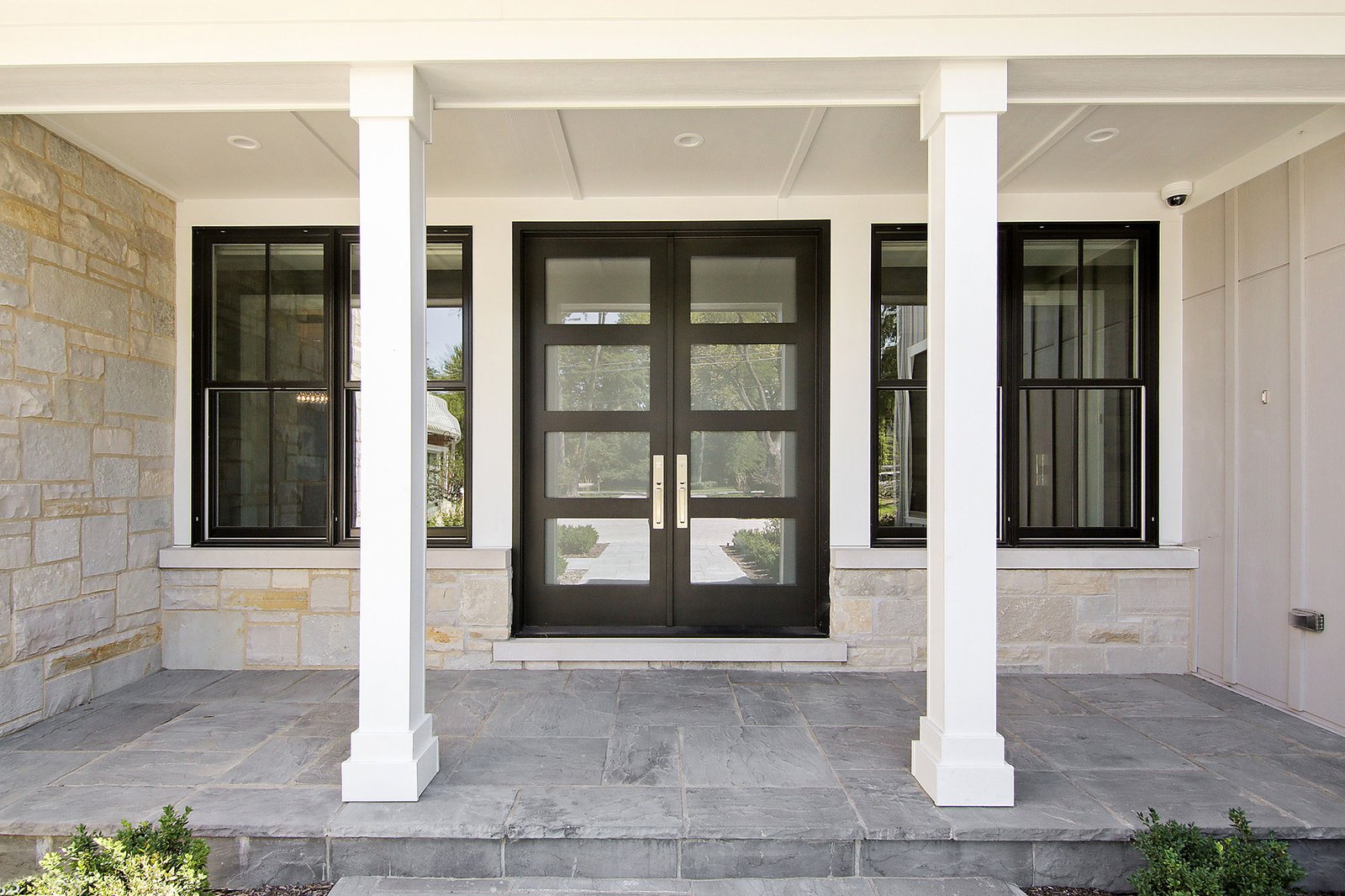
Aluminum entrance doors have emerged as a cornerstone of modern architectural design, combining structural integrity, energy efficiency, and aesthetic versatility. This article examines the technical specifications, manufacturing processes, and regulatory frameworks governing these systems, with a focus on compliance with North American and international standards. 1. Material Composition and Structural Design Doors And Windows Aluminum Profile forms the foundation of high-performance...